
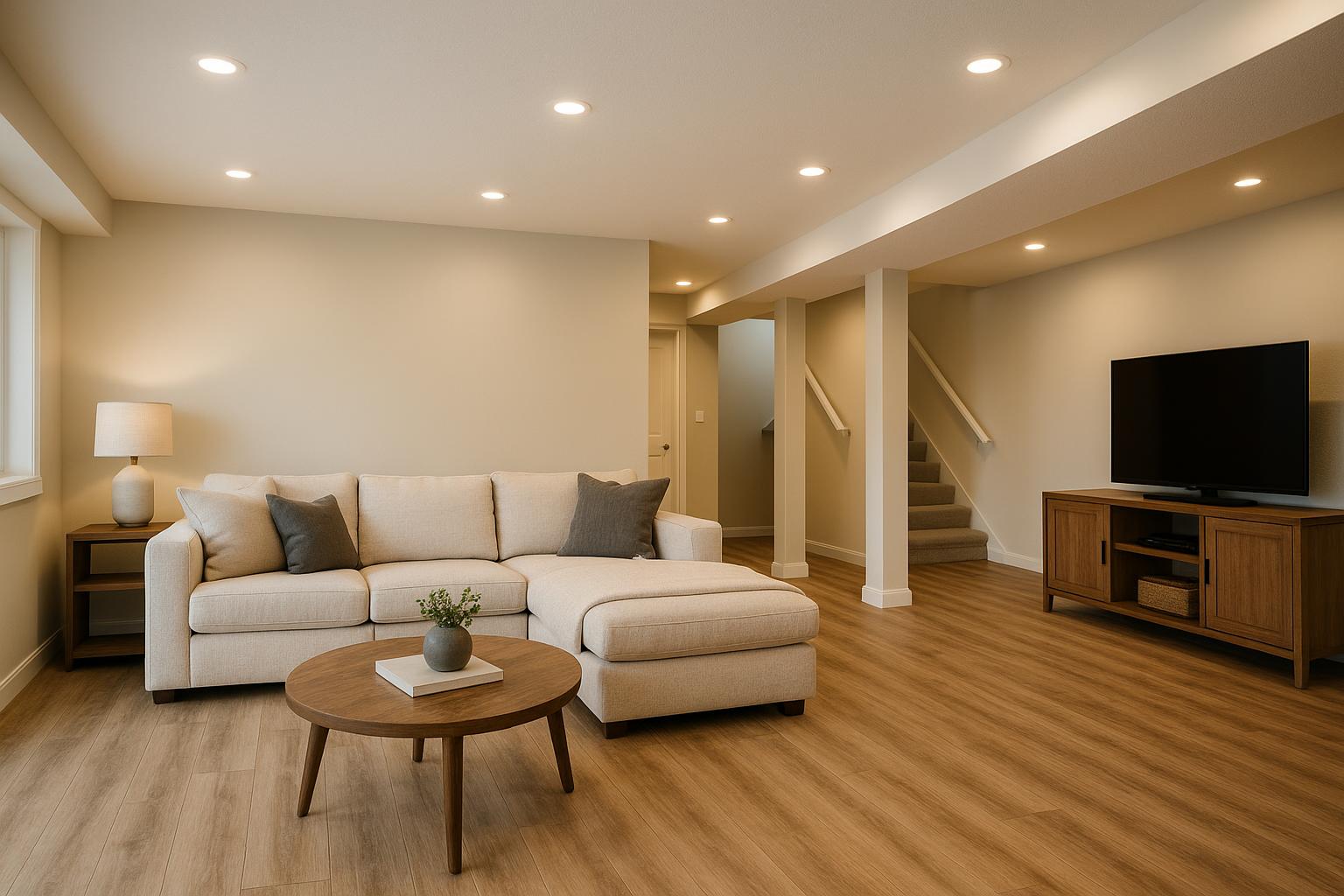
Why San Diego Homeowners Are Looking Below Ground
San Diego real estate isn't getting any cheaper. With median home prices continuing to climb, homeowners across the city are looking for ways to maximize the square footage they already have. One of the smartest moves? Converting an underused basement into functional living space.
Whether you have a partially finished basement, an unfinished concrete shell, or a below-grade storage area you've been ignoring for years, a well-planned basement conversion can add a bedroom, home office, entertainment room, or even a rental unit to your home — without expanding your footprint.
But basement conversions in San Diego come with their own set of considerations. Our mild coastal climate is a huge advantage in many ways, but moisture management, ventilation, and local building codes still require careful planning. Here's what you need to know before breaking ground.
Assess What You're Working With
The first step in any basement conversion is understanding the current condition of your space. Not all basements are created equal, and what you're starting with will determine your budget, timeline, and design options.
Key things to evaluate:
- Ceiling height: Most building codes require a minimum ceiling height of 7 feet for habitable space. If your basement falls short, there may be options like underpinning or lowering the slab, but these add significant cost.
- Moisture levels: Even in San Diego's relatively dry climate, below-grade spaces can accumulate moisture. Look for signs of water intrusion, efflorescence on concrete walls, or musty odors.
- Foundation condition: Cracks, bowing walls, or uneven floors need to be addressed before any finishing work begins.
- Existing utilities: Note where your water heater, HVAC system, electrical panel, and plumbing lines are located. These will influence your layout.
A professional assessment is worth every penny at this stage. Identifying problems early prevents expensive surprises once drywall is already up.
Moisture Management Is Still Critical Here
People often assume that because San Diego gets relatively little rainfall, moisture won't be a concern in their basement. That's a common and costly misconception.
Even in our Mediterranean climate, basements face moisture challenges from multiple sources:
- Groundwater and soil moisture: Depending on your neighborhood — whether you're in La Mesa near the hills or closer to sea level in Coronado — underground water tables and soil conditions vary significantly.
- Condensation: When warm air meets cool basement walls, condensation forms. This is especially common during San Diego's warmer months.
- Irrigation and landscaping: Sprinkler systems and poor grading around your foundation can direct water straight toward your basement walls.
Solutions that work:
- Interior and exterior waterproofing membranes
- French drain systems or sump pumps where needed
- Vapor barriers beneath flooring
- Proper grading and drainage around the exterior
- Dehumidification systems for ongoing moisture control
Getting moisture management right is the foundation — literally — of a successful basement conversion. Skip this step, and you risk mold, material damage, and an uncomfortable space.
Understanding San Diego Permits and Building Codes
Any basement conversion that creates habitable living space in San Diego will require permits from the city's Development Services Department. This isn't optional, and it's not just bureaucratic red tape — it protects your investment and your family's safety.
Common permit requirements include:
- Egress: Bedrooms must have an emergency escape window or door that meets specific size requirements.
- Electrical: New circuits, outlets, and lighting must meet current code.
- Plumbing: Adding a bathroom or kitchenette requires plumbing permits.
- Structural: Any modifications to load-bearing walls or the foundation require engineering review.
- Energy compliance: California's Title 24 energy standards apply to basement conversions, covering insulation, lighting efficiency, and HVAC.
If you're considering converting your basement into an Accessory Dwelling Unit for rental income, additional regulations apply under both state ADU laws and San Diego's local ordinances. The rules have become more favorable in recent years, but navigating them correctly is essential.
Working with a contractor who understands San Diego's permitting process saves time and prevents failed inspections that can derail your timeline.
Designing for Comfort and Light
One of the biggest challenges with any basement space is making it feel like a natural extension of your home rather than a dark, underground afterthought. Smart design choices make all the difference.
Lighting strategies:
- Layer your lighting with a mix of recessed ceiling lights, wall sconces, and task lighting
- Use higher color temperature bulbs (4000K-5000K) to mimic natural daylight
- If your basement has window wells, maximize them with larger windows where code allows
- Light-colored walls and flooring reflect light and make the space feel larger
Flooring considerations:
Carpet, hardwood, and standard laminate can all be problematic in below-grade spaces. Better options include luxury vinyl plank, porcelain tile, or engineered hardwood installed over a proper moisture barrier. These materials handle the unique conditions of a basement while still looking great.
Climate control:
San Diego's mild temperatures mean your basement likely won't need heavy-duty heating or cooling, but you'll still want proper ventilation and a way to manage temperature. A mini-split system is often the most efficient solution for basement spaces — it provides both heating and cooling without requiring extensive ductwork.
Choosing the Right Use for Your Space
Before you finalize your design, think carefully about how you'll actually use the space. The best basement conversions are designed around a specific purpose.
Popular basement uses for San Diego homeowners:
- Home office or studio: Remote work isn't going anywhere, and a quiet below-grade office offers separation from the rest of the household.
- Guest suite or in-law apartment: With family and friends always wanting to visit San Diego, a dedicated guest space with its own bathroom is invaluable.
- Entertainment room: A media room, game room, or home bar — basements are naturally suited for entertainment because of their sound insulation.
- Rental ADU: Converting to a legal rental unit can generate significant monthly income in San Diego's competitive rental market.
- Home gym: Save on gym memberships and work out on your own schedule.
Whatever you choose, plan for the future too. A well-designed basement conversion should add real value to your home, whether you plan to stay for decades or sell in a few years.
Start With the Right Partner
A basement conversion is one of the highest-ROI remodeling projects you can take on, but it requires a contractor who understands the specific challenges of below-grade construction. From waterproofing to permits to design, every decision builds on the one before it.
At Apex Basement Contractors, we've helped homeowners across San Diego, Chula Vista, El Cajon, and surrounding communities transform forgotten basements into spaces they're proud of. We handle every phase of the project — from initial assessment through final inspection — with honest communication and craftsmanship you can see and feel.
If you're thinking about converting your basement, the best first step is a conversation. Reach out to our team for a consultation, and let's talk about what's possible beneath your home.